

 Feed back
 Privacy Policy
Cosmic Insights India_
The zodiac has fascinated civilizations for thousands of years, serving as a symbolic map of the sky that links celestial movements to human experience. Rooted in ancient Babylonian astronomy and later refined by Greek and Indian astrological traditions, the zodiac divides the ecliptic—the apparent path of the Sun across the sky—into twelve equal segments. Each segment corresponds to a zodiac sign, determined by the position of the Sun at the time of a person’s birth. These signs are believed to influence personality, behavior, and even life events. In India, where Vedic astrology (Jyotish) holds deep cultural significance, many consult their zodiac signs personality profiles not only for self-awareness but also for guidance in relationships, career choices, and spiritual growth.
Today, interest in the zodiac extends far beyond India, with millions worldwide exploring how their sun sign might reflect innate tendencies or compatibility with others. While modern science does not validate astrological claims, the psychological and cultural value of understanding oneself through symbolic frameworks remains strong. This article provides an objective overview of the list of zodiac signs, their associated traits, behavioral patterns, and the intriguing question of which might be the rarest zodiac sign—all aimed at helping readers gain deeper insight into themselves and others.
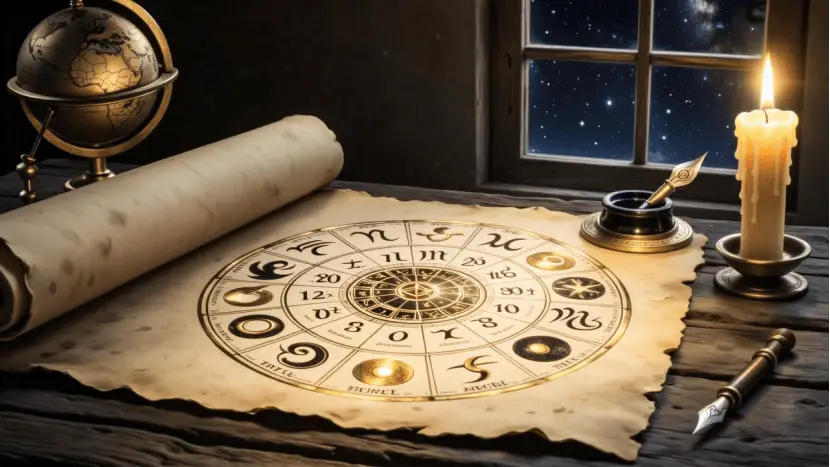
To begin understanding your astrological profile, it's essential to know the list of zodiac signs and their corresponding date ranges. The twelve zodiac signs follow a fixed annual cycle based on the Sun’s movement through the constellations:
| Zodiac Sign | Date Range |
| Aries | March 21 – April 19 |
| Taurus | April 20 – May 20 |
| Gemini | May 21 – June 20 |
| Cancer | June 21 – July 22 |
| Leo | July 23 – August 22 |
| Virgo | August 23 – September 22 |
| Libra | September 23 – October 22 |
| Scorpio | October 23 – November 21 |
| Sagittarius | November 22 – December 21 |
| Capricorn | December 22 – January 19 |
| Aquarius | January 20 – February 18 |
| Pisces | February 19 – March 20 |
These periods are based on the tropical zodiac system widely used in Western astrology. It's important to note that exact dates can vary slightly year to year due to leap years and Earth's orbital nuances.
Beyond dates, each sign belongs to one of three modalities: cardinal, fixed, or mutable. Cardinal signs (Aries, Cancer, Libra, Capricorn) initiate change and lead action. Fixed signs (Taurus, Leo, Scorpio, Aquarius) are stable and resistant to change, often embodying persistence and focus. Mutable signs (Gemini, Virgo, Sagittarius, Pisces) adapt easily and facilitate transitions.
Additionally, every sign is associated with one of four classical elements:
•Fire Signs (Aries, Leo, Sagittarius): Passionate, energetic, and spontaneous.
•Earth Signs (Taurus, Virgo, Capricorn): Grounded, practical, and reliable.
•Air Signs (Gemini, Libra, Aquarius): Intellectual, communicative, and social.
•Water Signs (Cancer, Scorpio, Pisces): Emotional, intuitive, and empathetic.
Understanding these classifications helps contextualize broader zodiac signs traits and offers a structured way to interpret personality dynamics.
Each zodiac sign carries distinct characteristics shaped by its ruling planet, element, and modality. Below is a breakdown of core zodiac signs traits from Aries to Pisces:
Ruled by Mars, Aries individuals are bold, competitive, and action-oriented. They thrive on challenges but may act impulsively.
Venus-ruled Taureans value stability, beauty, and comfort. Loyal and patient, they can also be stubborn.
Governed by Mercury, Geminis are curious, witty, and versatile. However, their dual nature can lead to inconsistency.
A Moon-ruled water sign, Cancers are nurturing, sensitive, and protective. Moodiness and emotional withdrawal are potential weaknesses.
Led by the Sun, Leos are confident, generous, and dramatic. Their need for attention can sometimes come off as arrogance.
Also ruled by Mercury, Virgos are analytical, detail-oriented, and service-minded. Over-criticism and perfectionism are common pitfalls.
Under Venus’ influence, Librans seek harmony, balance, and fairness. Indecisiveness and avoidance of conflict are typical struggles.
Pluto-ruled Scorpios are intense, passionate, and secretive. Their depth comes with a tendency toward jealousy or control.
Jupiter governs this fire sign, known for optimism, adventure, and honesty. Bluntness and restlessness can be drawbacks.
Saturn-ruled Capricorns are disciplined, ambitious, and responsible. They may struggle with rigidity or emotional detachment.
Uranus brings innovation and independence to Aquarians. While progressive, they can appear aloof or detached.
Neptune rules this dreamy water sign. Compassionate and imaginative, Pisceans may lack boundaries or avoid reality.
These zodiac signs traits influence how people approach communication, decision-making, and problem-solving. For example, fire signs tend to act first and think later, while earth signs prefer planning and caution. Recognizing these patterns fosters empathy and better interpersonal dynamics.
While knowing your sun sign offers a foundational understanding, true insight into zodiac signs personality requires examining deeper layers. Sun sign astrology describes your core identity—the "self" you present to the world. But emotional responses and subconscious behaviors are significantly shaped by the Moon sign (emotions, instincts) and Rising sign (Ascendant), which reflects how others perceive you.
For instance, a Leo with a Virgo rising may appear meticulous and reserved despite their naturally flamboyant sun sign. Similarly, a Cancer with an Aquarius moon might balance emotional sensitivity with a need for intellectual freedom.
In terms of social interactions, air signs like Gemini and Libra excel in verbal exchange and networking, whereas water signs such as Pisces and Scorpio form deep, emotionally charged bonds. Compatibility often hinges on elemental synergy: fire fuels air, earth nurtures water, and so on. Clashes may arise between opposing elements—e.g., fiery Aries may overwhelm peace-seeking Libra unless both practice compromise.
Moderately, modalities affect relationship dynamics. Two fixed signs (e.g., Taurus and Scorpio) may create a stable bond but risk power struggles. Conversely, a cardinal-libra pairing (e.g., Aries and Libra) can spark new ventures but may falter without shared goals.
Thus, while general zodiac signs traits provide useful starting points, a holistic view incorporating multiple chart components yields more accurate personality insights.
The idea of a rarest zodiac sign captures public imagination, often fueled by anecdotal claims or social media trends. Statistically, birth rates do vary throughout the year, influenced by cultural, seasonal, and socioeconomic factors.
According to data from the U.S. Centers for Disease Control and Prevention (CDC), August sees the highest number of births in the United States, making Leo one of the most common signs. Conversely, February—home to Aquarius and early Pisces—is among the lowest, potentially making these rarer. A 2017 study published in *Demographic Research* found that conceptions dip during winter months in temperate climates, partly due to reduced sexual activity and increased illness.
However, global variations exist. In India, birth patterns differ due to agricultural cycles, festival-related conceptions (e.g., Diwali), and regional customs. Data from the Sample Registration System (SRS) Bulletin, Office of the Registrar General, India (2020), shows higher birth concentrations between September and December, suggesting increased prevalence of Libra through Capricorn.
Then there’s Ophiuchus, sometimes called the “13th sign.” Positioned between Scorpio and Sagittarius (approximately November 29 – December 17), Ophiuchus lies within the actual constellation belt but is excluded from the traditional tropical zodiac. Astronomers recognize its presence, but mainstream astrology maintains the 12-sign model for symbolic consistency. Including Ophiuchus would shift all signs backward, invalidating most existing horoscopes—a controversial proposition.
Some argue that Scorpio feels rare due to its intense, mysterious aura, while Aquarius stands out for its unconventional ideals. Yet statistically, neither ranks as the least born; rather, perception plays a key role in what makes a sign seem rare.
Ultimately, no definitive evidence confirms one sign as universally the rarest zodiac sign. Rarity depends on geography, culture, and definition—astronomical, statistical, or symbolic.
This guide has explored the fundamental aspects of the zodiac, including the complete list of zodiac signs, their date ranges, elemental and modal groupings, and defining zodiac signs traits. We’ve examined how these traits shape behavior and relationships, delved into the complexity behind zodiac signs personality, and questioned whether any sign truly qualifies as the rarest zodiac sign.
Astrology serves best as a reflective tool—not a deterministic forecast. By studying your sun, moon, and rising signs, you can uncover patterns in your emotions, motivations, and interactions. Tools like natal chart calculators (available via platforms such as Astro.com or TimePassages) allow users to generate personalized birth charts using exact birth time, date, and location.
For those interested in deeper exploration:
•Use compatibility apps to assess relational synergies.
•Consult astrological calendars to track planetary transits.
•Learn about dashas in Vedic astrology for long-term life trend analysis.
Approach these insights with curiosity and critical thinking. Avoid overgeneralizing or labeling others solely by their sun sign. Remember, astrology offers metaphors, not mandates.
Whether you're in Mumbai, Delhi, or Bangalore, and whether you follow Western or Jyotish traditions, understanding the zodiac can enrich self-awareness and foster compassion in human connections.
Disclaimer: The content related to Zodiac in this article is intended for informational and entertainment purposes only. It does not constitute professional advice in psychology, astronomy, or any other field. Readers are encouraged to make decisions based on personal judgment and, when necessary, consult qualified experts. The author and publisher disclaim any liability arising from the use or reliance on the information provided herein.
Arjun Mehta
|
2025.11.21


